
Walk the Talk
This is not theoretical work. I walk the talk.
The Reality Families Face
Families turn to me not for more medicine or lack of doctors, but for the coherence and dignity that medicine alone can’t deliver. Despite doctors, hospitals, and caregivers, decisions feel chaotic, money is spent yet outcomes remain poor, family members disagree or disengage, care arrangements collapse, and older persons feel unheard, unsafe, or undignified.
These are not simply medical problems; they are ageing-in-context challenges rooted in dependency, family systems, emotional fatigue, and structural gaps in care. It is precisely in this space that social gerontology moves from theory into practice.
Ageing is not only a medical experience. It is a lived social reality shaped by families, systems, and human relationships.
Understanding the Full Picture
My work begins with a personal visit and a Comprehensive Geriatric Assessment (CGA) that goes far beyond clinical checklists. This assessment weaves together physical health and functional ability, emotional and psychological state, economic realities, family roles and stress points, as well as the living environment and care arrangements.
By looking at these dimensions in tandem, the assessment captures ageing as it is lived, not just as it is measured. Alongside this, I review medical history and treatments to identify risk factors, patterns of avoidable hospitalisation, and the gaps between diagnosis and lived reality.
The purpose is not to catalogue problems but to grasp how ageing is unfolding in this particular life and family so that care can be shaped with dignity, coherence, and accountability.
Staying With the Family Journey
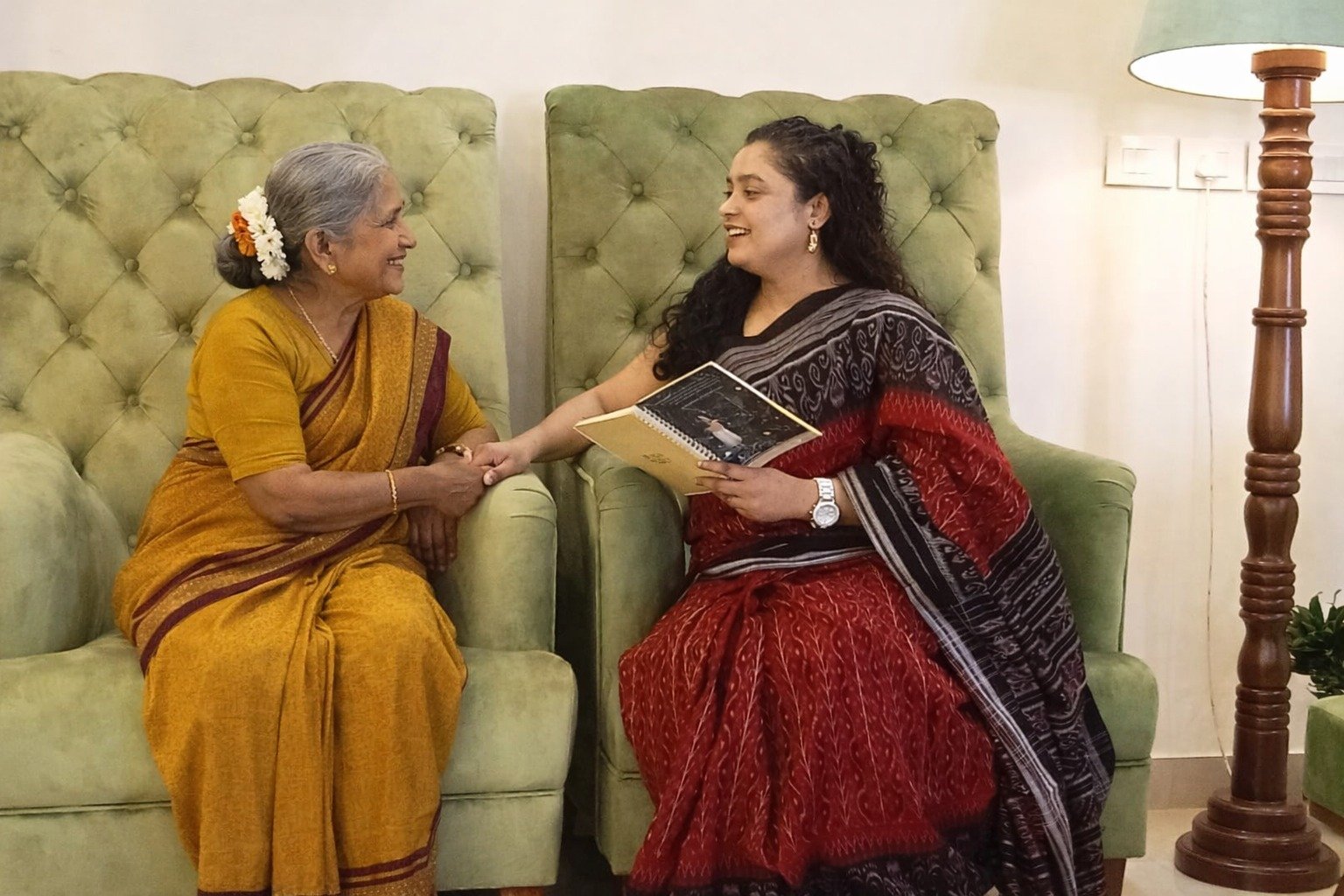
Unlike one-time consultants who disappear after giving recommendations, I remain with the family throughout the ageing journey. I follow up on progress, reassess when situations change, mediate when tensions surface, adjust care strategies as dependency increases, and support decision-making during crises and transitions.
Continuity is critical. Ageing is not a single event but a process of progressive vulnerability. My role is to hand-hold families, often until end-of-life decisions arise.
When Systems Fail Families
Many families assume that resources alone will solve ageing-related problems, but they quickly discover that money and services do not guarantee coherence or dignity.
Services often operate in silos, policies fail to reflect lived realities, care systems prioritise tasks over human dignity, emotional labour goes unacknowledged, and responsibility quietly shifts to one exhausted caregiver.
While money can buy services, it cannot buy foresight, relational stability, or the sense of coherence families desperately need. That missing layer which integrate care with context, dignity, and continuity is precisely what my work provides.
At a glance, care systems and policies often appear adequate, but within real homes they frequently collapse. I work at the intersection where policy assumptions meet household limitations, institutional models clash with cultural expectations, medical decisions overlook family dynamics, and “best practice” collides with what is humane and possible.
By standing inside the family system, I help navigate these collisions before they harden into irreversible breakdowns.
Chronic Conditions and Care
Most individuals I care live with chronic progressive conditions such as cancer, Alzheimer’s disease, Parkinson’s disease, heart disease, COPD, and rarer disorders including PSP, multiple sclerosis, and muscular dystrophy.
While these conditions are not curable, they are manageable. By providing the right planning, vigilance, and compassionate care, I help families ensure that elders live with comfort, dignity, and quality of life.
I champion ageing at home as well as institutional pathways such as assisted living, skilled nursing, and foster care, ensuring that every choice is guided by the needs of the older person and their family.
Cancer
Alzheimer’s Disease
Parkinson’s Disease
Heart Disease
COPD
PSP
Multiple Sclerosis
Muscular Dystrophy
This is not theoretical work. I walk the talk.