
Social Gerontology
in Practice
Academic vs. Practice: Why the Distinction?
What is Social Gerontology?
Social gerontology was conceived as a field concerned with the social realities of ageing dependency, care, family dynamics, institutions, policy, and dignity in later life. Yet today, the title is often claimed by individuals who study aging at a distance, theorise without exposure to care systems and produce ultracrepidarian comments without responsibility for outcomes. This has created a credibility gap between the name of the field and its actual practice.
If and when you wish, I can articulate the gap between academic and practice-based gerontology, frame it as a thought piece or commentary, and quietly yet firmly position my own work as an example of applied social gerontology in action.
Academic Study vs Lived Practice
We need to make a distinction between the academics who sits in the comforts and study ‘ageing’ and the ones who actually practices social gerontology—in the lived, messy, family- and system-embedded realities of old age.
We wanted to be known as real time social gerontology practitioners who directly engage with elders and families in everyday contexts. Direct engagement with older adults and families gives practitioners a visceral understanding of challenges : like navigating bureaucracy, emotional strain or caregiving burnout solutions often emerge organically from practice.
Where Practice Meets Knowledge
It is important to integrate practice with theoretical frameworks, comparative data, and long term studies that help identify systemic patterns for example demographic shifts, policy impacts and cultural differences.
Academics without practice knowledge risk irrelevance. The most powerful advocacy and reform happens when livid experience meets scholarly evidence. Stories humanise data and data strengthens stories.
The Limits of Distant Expertise
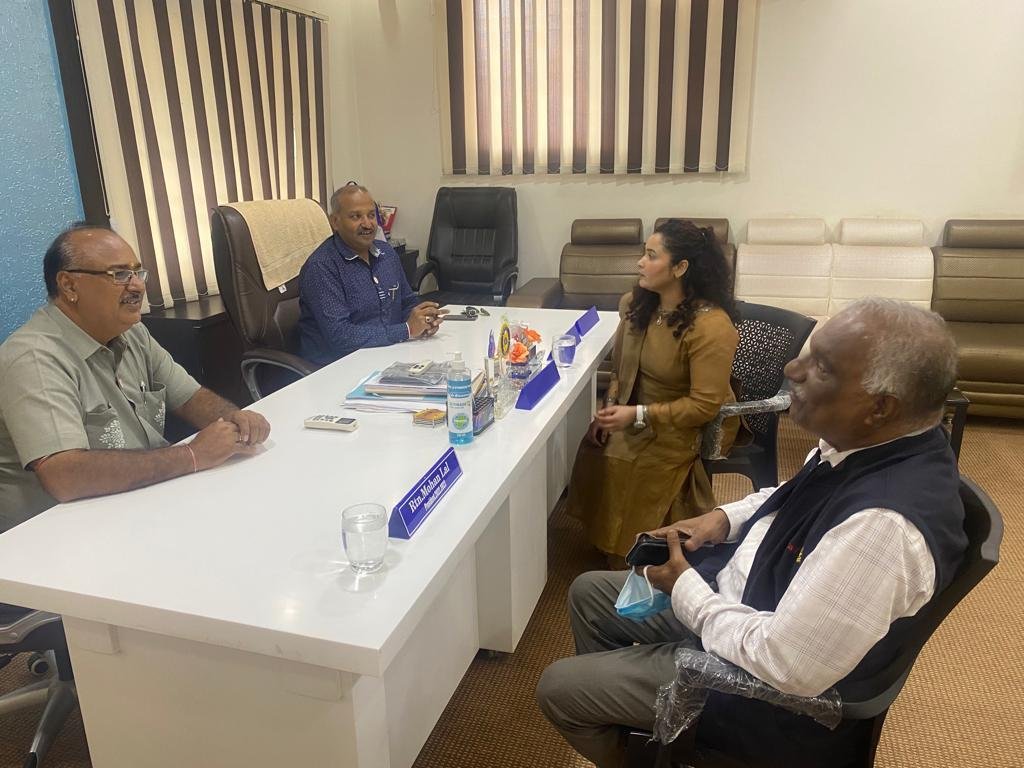
Unfortunately, many so called “specialists” fall into the trap of speaking from a perch, without ever having felt the weight of caregiving or the fragility of aging up close.
Practitioners like me offer a kind of embodied knowledge that theory alone can’t replicate. In fact, impactful social gerontologists like us are those who embed themselves in communities, conduct ethnographic studies, or collaborate with caregivers to ensure their work isn’t just theoretical.
Social Gerontology in Practice
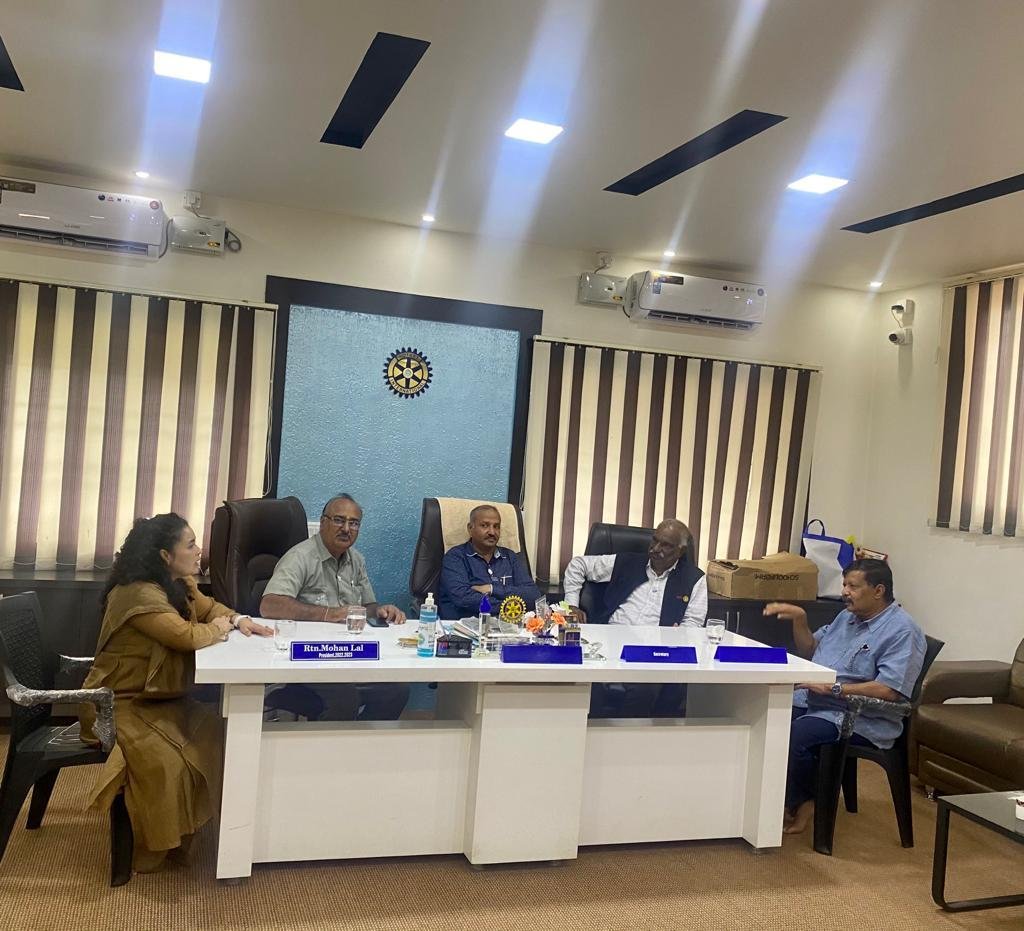
What I practice is a blend of medical gerontology and social gerontology making it interdisciplinary programs for elder care. In short, I practice social gerontology in the way one would define it as:
- Sustained case-based practice
- Social assessment, family mediation, policy navigation or systems-level elder advocacy work
- Positioning as a social gerontologist in practice serving elders and families directly