
Ageing is not just about growing older. It is about living with accumulating losses that few people truly see. As a practicing social gerontologist, I have compiled this list from recurring losses and challenges observed in old age across real lives, families, and care journeys. Beyond medical charts and milestones, ageing unfolds through emotional, social, physical, and existential shifts that are often experienced in silence.
Know Your Elders
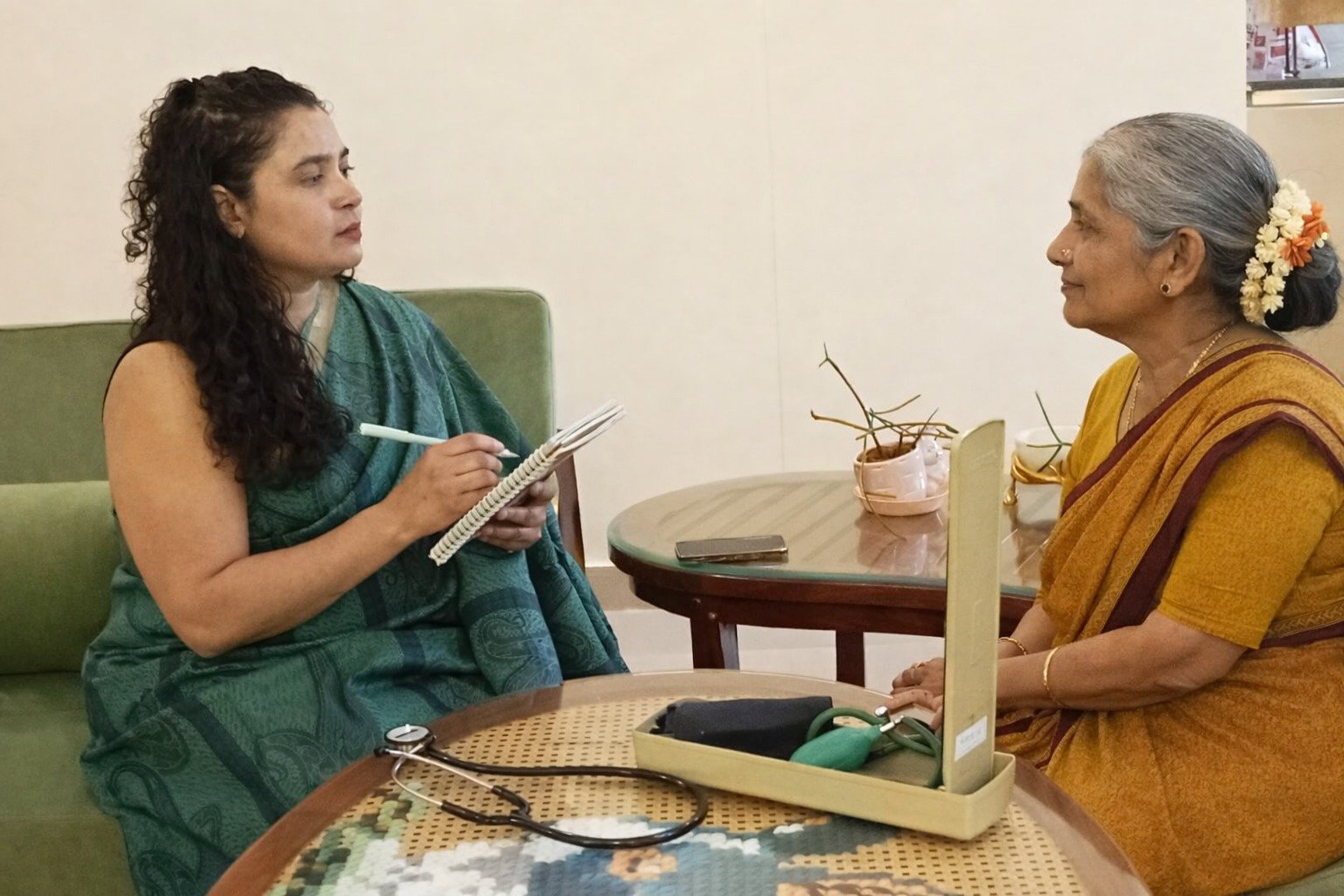
Loss & Isolation
- Elders watch classmates, closest friends, partners, and loved ones die at an unsettling pace.
- Many elders live with isolation and steadily shrinking social worlds.
- Elders are repeatedly reminded in everyday life that they are closer to dying than most people around them.
- Many elders fear a future of institutionalisation with no visits from loved ones.
- Many elders reach a stage in life where they have no good neighbours or mentors left.
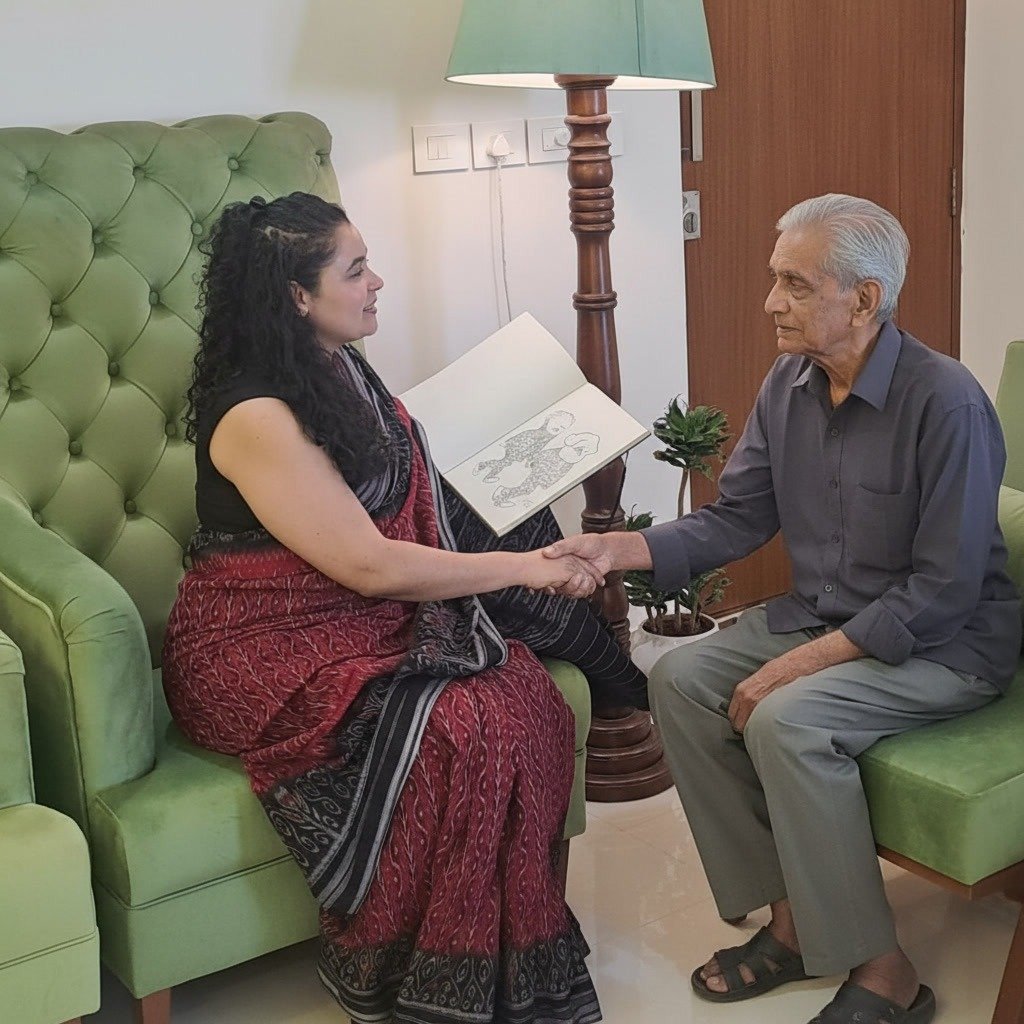
Health & Physical Vulnerability
- Elders experience frightening, invasive, and often humiliating health issues.
- Elders wonder whether cancer, dementia, or Alzheimer’s disease lies ahead for them.
- Elders gradually lose the ability to live independently.
- Some elders become physically disabled or severely dependent on others.
- Elders may find bathing and grooming physically exhausting or emotionally overwhelming.
- Elders may need help to maintain basic personal hygiene and dignity.
- Elders may live with incontinence and the embarrassment and shame that often accompany it.
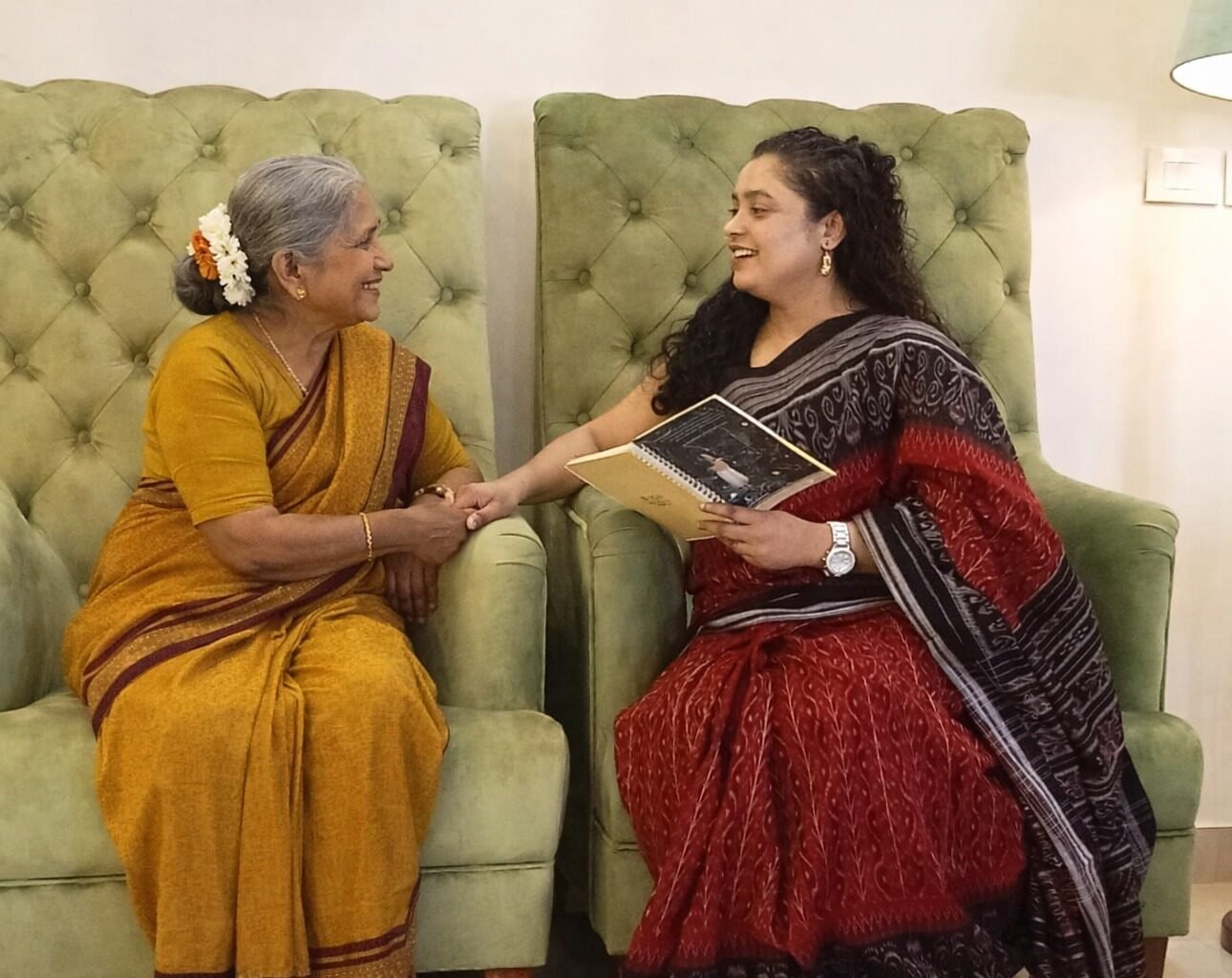
Emotional & Psychological Struggles
- Elders struggle psychologically to accept ageing, decline, and the gradual loss of control.
- Elders experience memory lapses, confusion, and fear, often while being alone.
- Elders struggle to communicate clearly and to be understood by others.
- Elders are labelled and treated as “outdated” by the world around them.
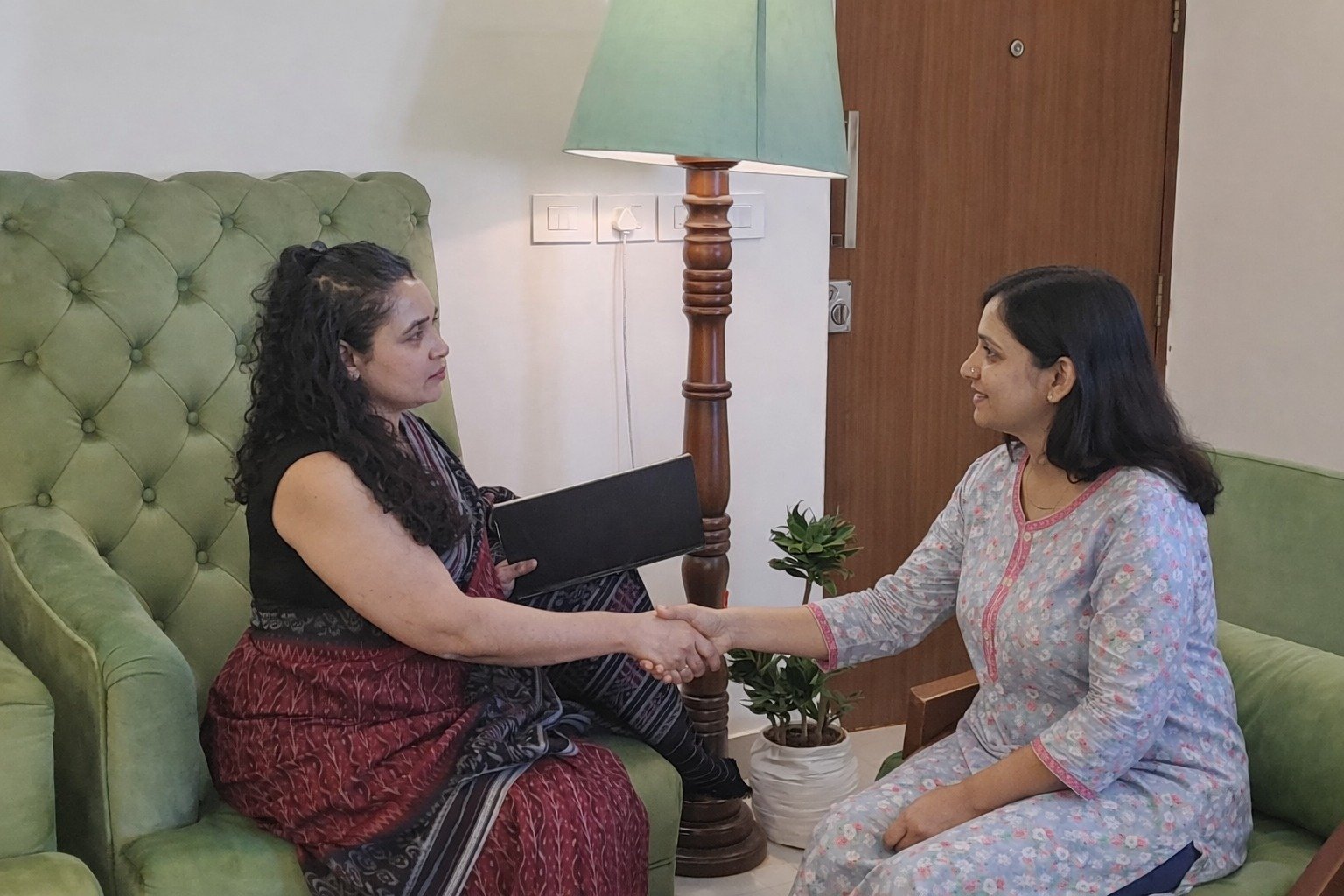
Family & Social Challenges
- Elders are often treated with impatience by younger generations and spoken to as if they are slow or incapable.
- Elders are frequently disregarded, dismissed, and devalued by society at large.
- Elders can become helpless as family dysfunction, conflict, or neglect begins to surface.
- Some elders experience neglect or abuse behind closed doors.
- Many elders are ignored by those they rely on for daily care and support.
Loss of Identity & Daily Living
- Elders are often uprooted from homes they have lived in for decades.
- Many elders are forced to leave jobs, roles, and identities they once loved.
- Elders often lose interest in hobbies that once brought joy, meaning, and structure to their lives.
- Elders may find that cooking familiar or favourite foods is no longer possible.
- Elders may no longer be able to read newspapers, books, or magazines as they once did.
- Elders sometimes realise they can no longer care for a beloved pet.
System, Legal & Safety Risks
- Many elders live with the fear of abuse or neglect in nursing homes and care settings.
- Elders must navigate wills, inheritance, and complex family dynamics while struggling with unfamiliar legal processes.
- Elders are frequently exploited or scammed through technologies and systems they do not fully understand.
Disclaimer
This list is not intended to define ageing, nor to suggest that every elder experiences all of these realities. It reflects patterns repeatedly encountered in real lives, families, and care journeys over years of social gerontology practice.
The Graceful Ageing Pathway (GAP) emerges from engaging with these realities early—before crisis, before fragmentation, and before dignity is compromised